
The Challenge
The territory where we work is rich in biodiversity and culture, but it faces serious threats. Deforestation, wildfires, intensive land use, and climate change are weakening ecosystems and affecting community livelihoods. Today, conserving natural resources and building resilient landscapes is more than a goal—it is an urgent necessity.

Deforestation
Between 2001 and 2024, Sololá lost 3.04 thousand hectares of tree cover, representing 3.8% of its forest cover in 2000. In 2024 alone, 122 hectares of natural forest were lost.

Wildfires
The main cause of wildfires is intentional burning (51.4%), followed by agricultural burning (20.0%). The historical peak of affected area occurred between 2008 and 2012, reaching 616 hectares in 2009.

Risk of Drought
The territory is classified as being at high risk of biophysical drought. The Aridity Index (P/ETP) is 58.44, based on historical climate data from 1970 to 2023.
Our Solution


Impact in numbers
Last 10 years
+0
hectares of forest conserved through community forest management, vital water, soil, and biodiversity resources are protected.+0
hectares reforested, with more than 3 million native trees and plants produced and planted to restore forest landscapes.+0
community firefighter brigade formed and 50 km of firebreaks implemented, strengthening wildfire response and preventing biodiversity loss.+0
improved cookstoves installed, reducing firewood consumption, decreasing deforestation, and improving the health of rural families.+0
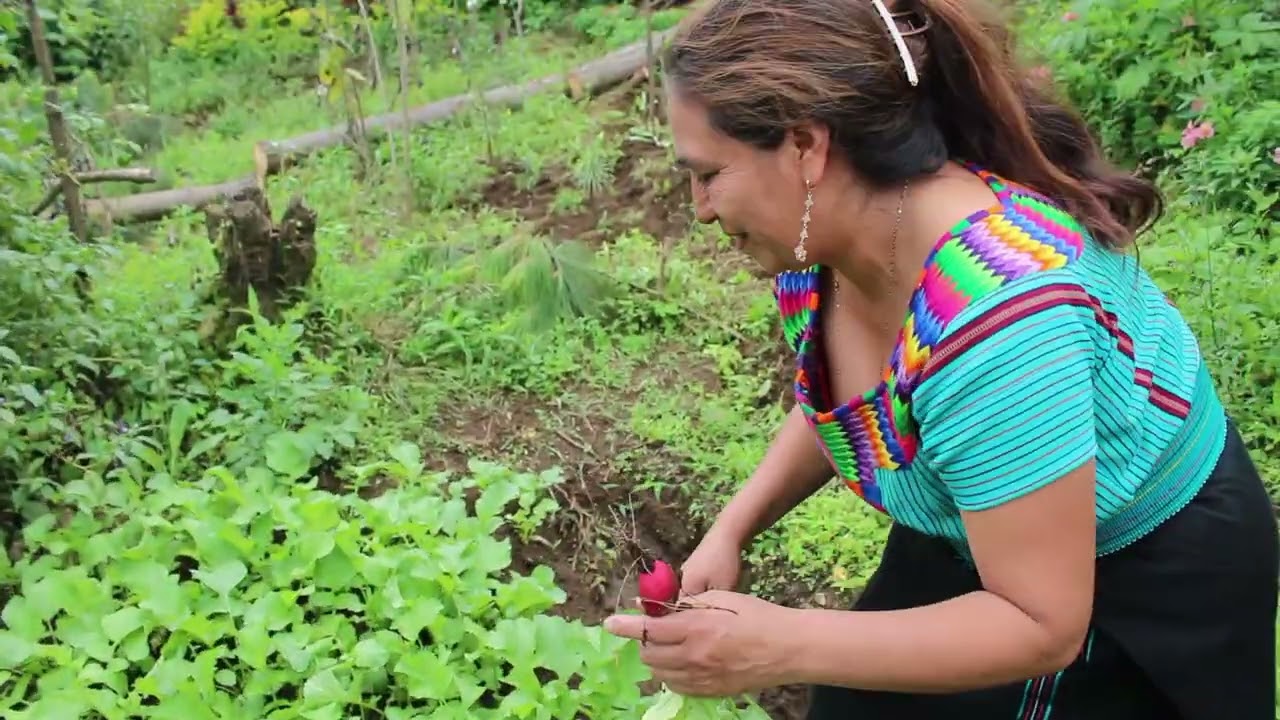
agroecological gardens and plots implemented in rural communities to ensure access to healthy and nutritious food.+0
families increase their household income using local biodiversity through the production of coffee, mushrooms, honey, and ecotourism initiatives.Meet our team
Our Focus Areas

Regenerative Agroecology
Sustainable food systems rooted in resilience and soil health
Regenerative Agroecology
Sustainable food systems rooted in resilience and soil health
We work alongside rural families and communities to produce healthy and diverse food, with special attention to soil health. We strengthen agroecological practices that combine ancestral and scientific knowledge. We promote the use of organic fertilizers, soil conservation, crop diversification, and natural pest management.


Healthy Ecosystems, Thriving Communities
Conserving nature to support resilient communities
Healthy Ecosystems, Thriving Communities
Conserving nature to support resilient communities
In Guatemala’s rural landscapes, biodiversity is the foundation of human well-being. In this focus area, we restore and protect the ecosystems we depend on—forests, water sources, and fertile soils. We do this with and through communities, using native species reforestation, participatory planning, fire management, and cleaner technologies such as fuel-efficient cookstoves.


Biodiversity-Based Livelihoods
Income opportunities that sustain people and nature
Biodiversity-Based Livelihoods
Income opportunities that sustain people and nature
This focus area promotes fair income generation for rural families through the sustainable use of biodiversity. Through training and technical assistance, we strengthen skills in the production and commercialization of coffee, honey, mushrooms, and ecotourism. We support individuals and community groups in developing sustainable, climate-resilient business models that protect the environment while creating economic opportunities.


Environmental Awareness and Action
Building awareness to protect nature
Environmental Awareness and Action
Building awareness to protect nature
Change begins in everyday life, and education is key to inspiring it. This focus area brings environmental topics into schools, radio programs, communities, and homes. We strengthen the capacities of teachers, community promoters, and local leaders to share the value of living in harmony with nature. We create materials rooted in local ecology and culture, develop educational modules, produce radio programs, and create spaces for children, youth, and adults to reconnect with their environment. In this way, we plant seeds of environmental awareness that grow into collective commitment.

Download Our Strategic Plan 2024–2029
Impact Story
Explore All Our Stories

Grain Storage for Food Security
Why Proper Basic Grain Storage Matters In Guatemala’s highlands, most rural families rely on subsistence farming, with corn and beans […]

A Baby is Like a Plant, Both Need Care to Grow
Improving Family Quality of Life A mother’s advice is pure love and experience for her children. Rebeca Chumil, a mom […]


